This move can impact all Instagram and Facebook subscribers and the future of the global advertising industry.
Meta Wants AI to Handle Every Part of Ad Creation. Here’s What That Means

This move can impact all Instagram and Facebook subscribers and the future of the global advertising industry.

As a professional coffee writer and former barista, my standards are high. Here are the best (and worst) coffee pods to put in your Keurig.
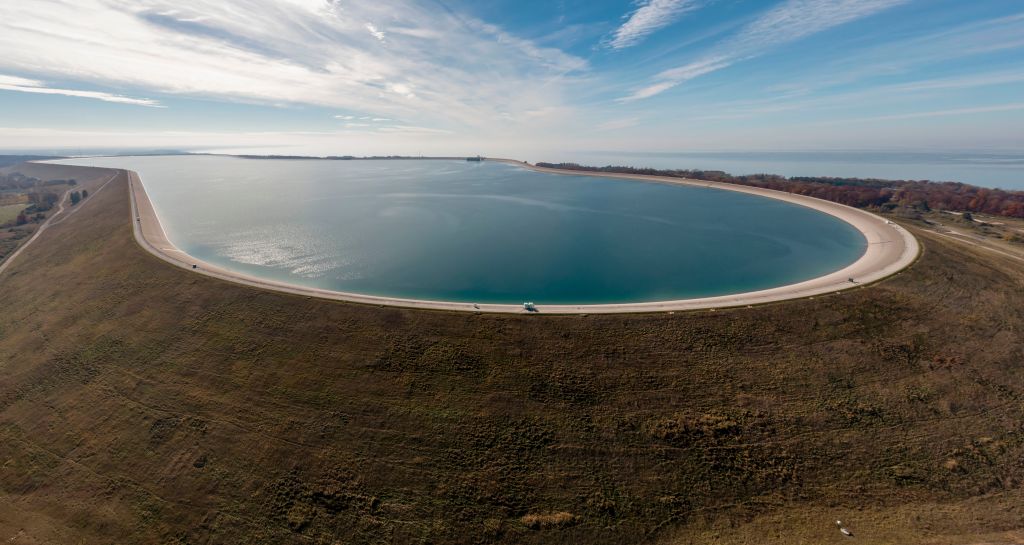
As it races to build ever larger data centers, Google on Tuesday said it has agreed to pay more than $3 billion to source carbon-free hydropower from Brookfield Asset Management’s company, Brookfield Renewable Energy Partners.
The first contracts under the deal include 20-year power purchase agreements, the companies said, altogether amounting to $3 billion, for 670 megawatts of capacity from two hydropower plants in Pennsylvania. The deal is part of a broader framework agreement that will allow Google to source up to 3 gigawatts of capacity in total.
The deal comes as Google and its hyperscaler rivals, Meta, Amazon, and Microsoft, seek to source power for their seemingly ever-expanding data centers that they use to house, train, and host the AI tools that underpin the tech sector’s current boom.
This renewed demand for power has breathed new life into nuclear energy, boosted gas generation, and brought back focus on renewable energy. Google itself has committed tens of billions to making sure it won’t run out of power; Meta more or less bought a nuclear plant; and Microsoft has struck a deal to source power for 20 years from a nuclear plant next to another one that melted down nearly 50 years ago.
Power aside, renewable energy also presents an attractive opportunity for these companies to continue working towards their net-zero targets even as their burgeoning data centers add to their carbon emissions.
Brookfield Renewable Partners, which operates renewable energy plants in the U.S., said its two hydropower facilities in Pennsylvania, Holtwood and Safe Harbor, will be relicensed, upgraded, or overhauled to meet the new requirements.
“This collaboration with Brookfield is a significant step forward, ensuring clean energy supply in the PJM region where we operate. Hydropower is a proven, low-cost technology, offering dependable, homegrown, carbon-free electricity that creates jobs and builds a stronger grid for all,” Amanda Peterson Corio, head of data center energy at Google, said in a statement.
Techcrunch event
Boston, MA
|
July 15
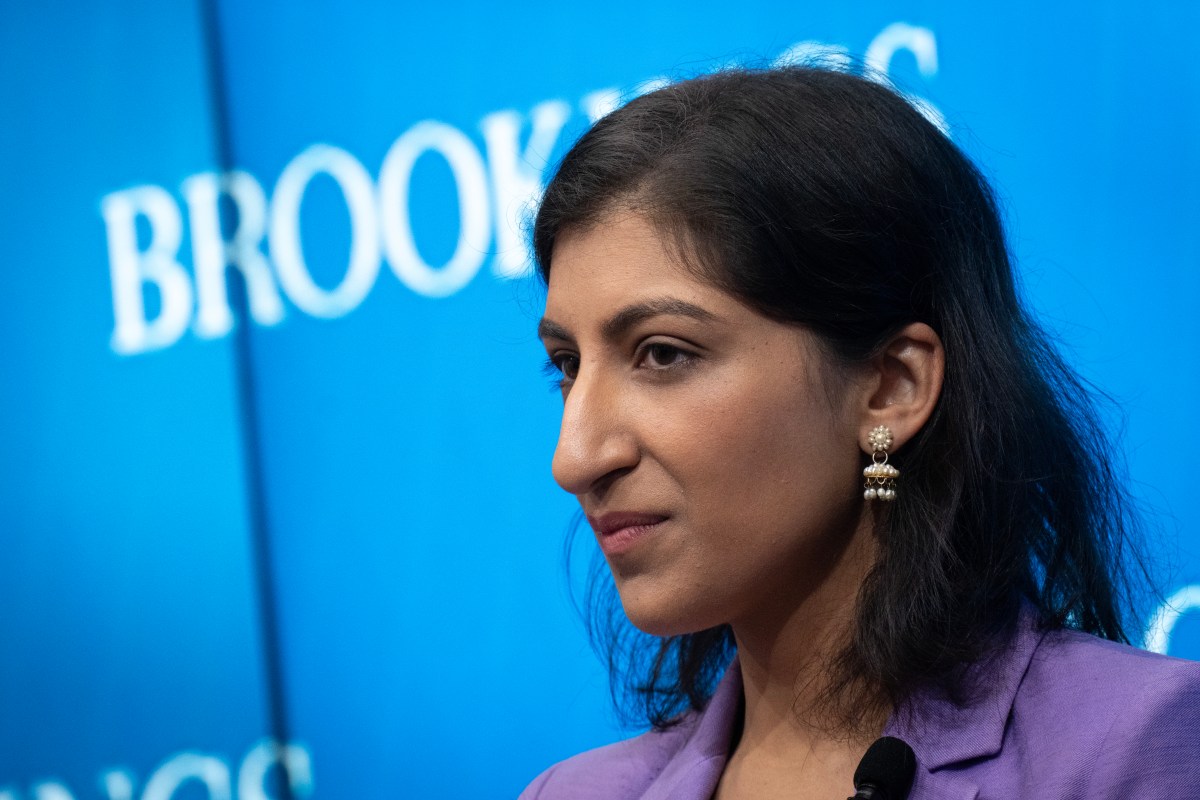
A surprising figure is celebrating Figma’s successful IPO: Lina Khan, former chair of the Federal Trade Commission.
In a Friday afternoon post on X, Khan linked to an article about Figma’s impressive first day of trading and argued the IPO is “a great reminder that letting startups grow into independently successful businesses, rather than be bought up by existing giants, can generate enormous value.”
Khan was alluding to a $20 billion deal for Adobe to acquire Figma that fell through back in 2023. While Adobe cited the lack of a “clear path” to approval from the European Commission and the U.K. Competition and Markets Authority, the acquisition also faced regulatory scrutiny in the United States over concerns that it could prevent Figma from being an “effective competitor” to Adobe.
Khan was FTC chair at the time, leading the agency to challenge Big Tech on fronts including startup acquisitions — to the point that companies tried to avoid this scrutiny with “reverse acqui-hires” in which they hired key team members and licensed technology rather than acquiring startups outright. (The practice seems to be continuing despite Khan’s departure from the FTC.)
While her aggressive stance led to intense criticism from corners of the tech industry, she defended her approach by saying that only a tiny percentage of deals received “a second look” and arguing that founders would ultimately benefit from “a world in which you have six or seven or eight potential suitors” rather than “just one or two.”
And although Khan — who’d been appointed by President Joe Biden — resigned at the start of the second Trump administration, her comments Friday paint the Figma IPO as a vindication for her approach, calling the IPO “a win for employees, investors, innovation, and the public.”
Of course, Khan’s critics are more likely to see Figma’s success as coming despite regulatory scrutiny, not because of it. For example, Wedbush Security analyst Dan Ives told Business Insider, “Figma is a massive success, but it’s because of the company’s innovative growth and not due to the FTC and Kahn.”
Techcrunch event
San Francisco
|
October 27-29, 2025